Iron Man Armory Restored Page
Iron Man Origin
Detailed English feature on Iron Man Origin, covering Tony Stark’s captivity, reinvention, and the origin mechanics that made Iron Man distinct. Built as a clean, original reference page for Iron Man Armory.
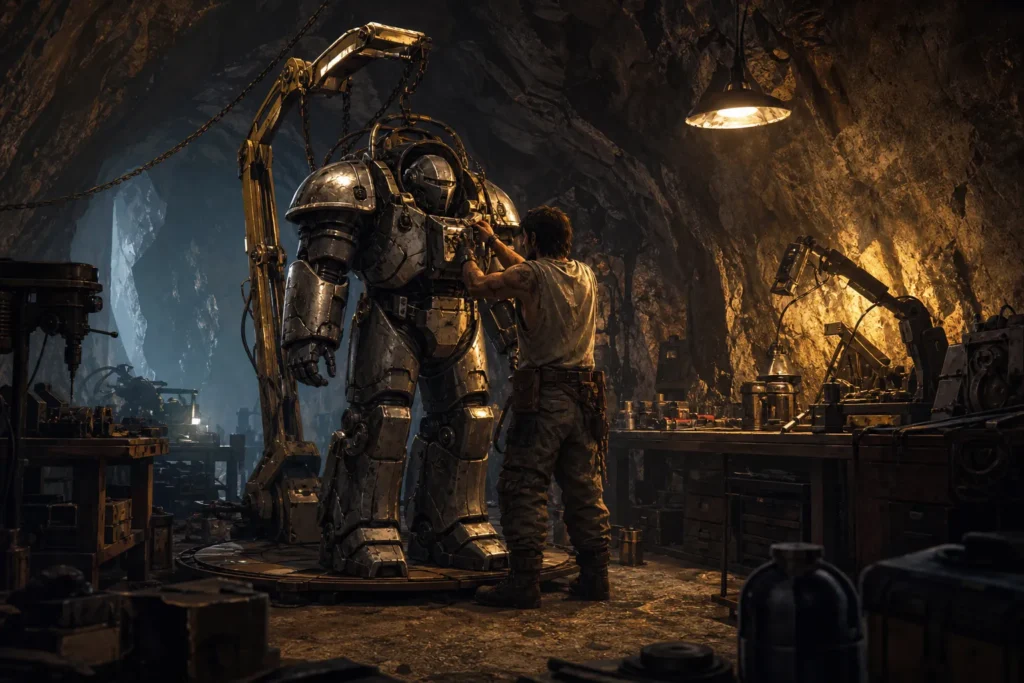
Iron Man Origin remains a strong search topic because fans rarely look for a shallow one-line definition. They usually want context: where the subject first matters, how it evolved, why it keeps reappearing in archive discussions, and what separates surface trivia from a genuinely useful reference. This page is written with that deeper intent in mind. Instead of stuffing keywords or repeating fan shorthand, it treats Iron Man Origin as part of the larger Iron Man ecosystem, where every creator credit, every supporting character, every armor variation, and every origin beat carries a practical storytelling function. That matters for search visibility, but it matters even more for reader trust. A page that feels informed, calm, and complete keeps people on site longer, earns more natural revisits, and builds the kind of relevance that old fan archives were once famous for. In that spirit, this feature looks at Iron Man Origin through story logic, publication history, and long-term fan memory.
Why This Topic Deserves a Full Page
The first reason Iron Man Origin deserves a dedicated page is that Iron Man history has always rewarded specificity. General summaries can explain who Tony Stark is, what the armor does, or why a villain matters, but they often flatten the texture that makes Marvel continuity engaging. Iron Man Origin fits into that texture through Tony Stark’s captivity, reinvention, and the origin mechanics that made Iron Man distinct. When readers search for the topic, they are usually trying to connect several layers at once: what happened on the page, what the creators were trying to accomplish, how later stories reinterpreted the material, and why collectors or long-time readers still mention it in forum-style discussions years later. That is also where archive-minded writing gains an advantage over disposable entertainment coverage. It can slow down, give a subject room to breathe, and show that seemingly niche details often illuminate the larger identity of Iron Man as a character defined by reinvention, pressure, and design-driven storytelling.
Historical Placement Inside Iron Man Lore
A second useful angle is the historical one. Iron Man has survived for decades because the property can absorb different moods without losing its central premise. Sometimes the line leans into Cold War anxiety, sometimes into corporate intrigue, sometimes into body-tech futurism, and sometimes into straight-up superhero escalation. Iron Man Origin becomes interesting when placed inside that longer timeline. It is not just a name, a suit, or a one-off publishing credit. It is a clue to what the franchise was trying to say at a particular moment. In some eras, the emphasis was on engineering under stress. In others, it was on celebrity, guilt, addiction, or the politics of power. Looking at Iron Man Origin within that continuum helps explain why this material still indexes well in fan memory: it sits at the crossroads of story mechanics and emotional identity. Even when the page count is small or the references are scattered, the underlying narrative function tends to be very clear once the context is restored.
From Fan Memory to Useful Reference
That contextual reading also helps separate myth from repetition. Fan communities often keep subjects alive through memory fragments: an iconic panel, a dramatic confrontation, a surprising costume shift, a creator interview, or a collectible tied to a certain era. Over time, those fragments can become louder than the material itself. A good restoration page should reverse that process. For Iron Man Origin, the goal is to pull the conversation back toward substance by explaining what the subject actually contributes to the Iron Man mythology. how the origin continues to work because it fuses engineering, guilt, and survival into one narrative engine This is especially important for legacy comic properties, because searchers arrive with different levels of familiarity. Some are longtime readers comparing notes with what they remember from print runs or toy lines. Others are newer visitors who discovered the term through social chatter, a wiki citation, or a passing mention in a video essay. A page that speaks to both audiences without becoming shallow has a much better chance of performing well over time.
Reading the Subject in Context
Storyline pages work best when they resist the temptation to become plot dumps. The real value lies in interpreting why a sequence matters. With Iron Man Origin, the key is to show how a storyline organizes the identity of Iron Man rather than simply recounting events. Origin material, early-year material, and transitional arcs all function as statements of principle. They establish what Tony Stark fears, what he builds under duress, what kind of guilt he carries, and how invention becomes a moral test rather than a neutral talent. That is why readers keep returning to these pages even after films, reboots, and adaptations have multiplied. The foundational stories remain the clearest expression of the contract between the hero and the audience.
Why Restoration Beats Thin Rewriting
Another reason this page format matters is that search engines increasingly reward usefulness that feels authored rather than mechanically assembled. For a topic like Iron Man Origin, that means writing in complete thoughts, using plain English, and letting detail emerge from interpretation instead of keyword stacking. It also means acknowledging the archival reality of comic fandom: many readers remember references imperfectly, many pages disappeared over time, and many of the best discussions once lived in enthusiast spaces rather than polished media outlets. Rebuilding a page in 2026 therefore is not only about restoring a URL. It is about restoring a path of discovery. A solid reference article should help someone who remembers the broad shape of the topic, someone who only knows the anchor term, and someone who is exploring Iron Man history systematically. If one page can satisfy all three audiences, it becomes much stronger than a thin content placeholder and far more likely to keep ranking on the merits of clarity and reader satisfaction.
Built for WordPress and Modern Search
For WordPress publishing, Iron Man Origin also benefits from a structure that balances readability with semantic strength. A clear title tag, a grounded introductory paragraph, descriptive subheads, and a purposeful FAQ block all support discoverability without compromising tone. The article does not need external links to feel credible because its authority comes from synthesis: it brings together the common knowledge fans associate with the subject and arranges it into a cleaner narrative. That makes the page useful as a landing destination for branded queries, long-tail searches, and readers moving through a restored archive. In practical terms, the page becomes more than a placeholder for an old backlink pattern. It becomes a useful endpoint. That is exactly the kind of page restoration strategy that tends to outperform low-effort rewrites, because it respects what users were looking for in the first place while giving them a modern, polished reading experience.
Conclusion
Iron Man Origin remains worth reading about because Iron Man fandom has always been built on more than blockbuster recognition. It thrives on details, design choices, creative eras, forgotten corners of continuity, and the pleasure of seeing a big myth through specific lenses. A well-built page on Iron Man Origin should feel like part restoration, part editorial guide, and part dependable archive note. That is the standard this page is aiming for: original prose, clear framing, strong search intent alignment, and enough substance that a visitor feels satisfied rather than merely served a string of recycled facts.
FAQ
Why does Iron Man Origin still attract search traffic?
Iron Man Origin combines recognizable Marvel branding with a more specific intent than a generic Iron Man query. People searching for it usually want context, not a one-line answer, which makes a detailed page more useful and more likely to retain attention.
How should readers approach Iron Man Origin if they are new to Iron Man lore?
Start with the big narrative function first. Understand what Iron Man Origin does inside the Iron Man mythos, then move outward into era, style, and fan memory. That order makes even niche references much easier to follow.
What makes a strong archive page about Iron Man Origin?
A strong archive page combines accuracy, interpretation, and readability. It should explain why the subject matters, how it connects to larger Iron Man themes, and what long-time fans tend to remember most.
Is Iron Man Origin mainly important to collectors, continuity fans, or casual readers?
Usually it reaches all three groups in different ways. Collectors care about design or rarity, continuity fans care about context, and casual readers care about getting a clean explanation fast. The best page supports all three.